Poland’s fourth-largest city is having a moment. As UK travellers increasingly trade traditional capitals for cheaper, lesser-known alternatives, Wrocław is quietly emerging as one of Europe’s most compelling summer city breaks, the kind of place that does not shout for attention yet rewards anyone who arrives with curiosity and an appetite for atmosphere.
The numbers suggest the word is already spreading. Wrocław welcomed a record 6.6 million visitors in 2024, with international arrivals led by Germany, the Czech Republic and the UK, according to the regional tourist organisation. Long cafe afternoons spill into cobblestone squares, riverside bars hum with students and creatives, and the city’s Gothic architecture glows amber at golden hour. What was once a lesser-known Polish gem is fast becoming a destination with its own summer rhythm.
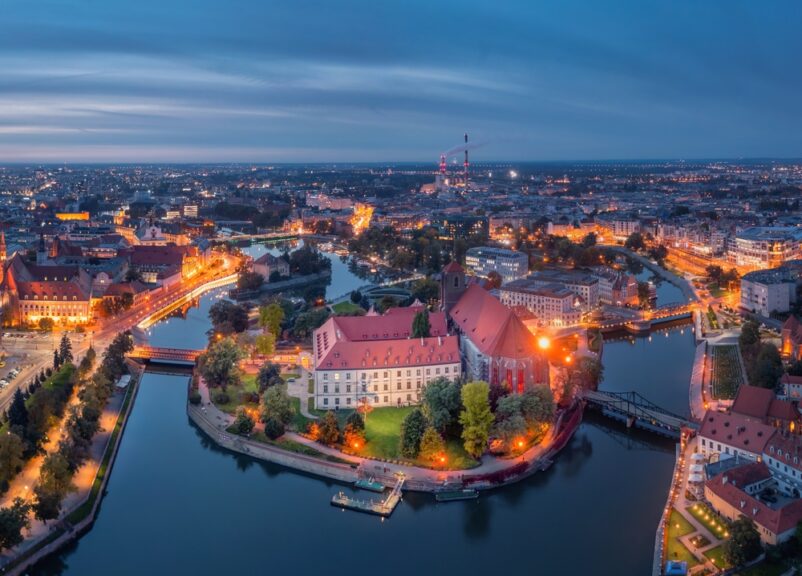
For years, capitals such as Prague, Budapest and Vienna have dominated the Central and Eastern European city-break conversation. But Wrocław offers the cultural depth of a heavyweight with a more relaxed pace and far fewer crowds. Spread across a network of islands and more than 100 bridges along the Oder, the city blends medieval architecture with contemporary design, generous green space and a youthful creative energy that feels especially alive in the warmer months. Poland’s tourist board has taken to billing the waterway as the “Venice of the North”, and on a bright June morning the comparison does not feel like a stretch. For the growing number of UK professionals turning short business trips into long weekends, it is exactly the sort of affordable, low-friction escape that has pushed European city breaks back up the agenda.
Days unfold easily here. Mornings begin in the colourful Rynek, one of Europe’s largest medieval market squares, where pastel facades frame cafes and galleries. Afternoons drift between museums, independent art spaces and riverside promenades. By evening, the city shifts again: open-air concerts, boat cruises, outdoor cinema screenings and jazz festivals animate the waterfront, while restaurants and bars such as Pijalnia Wine & Bistro, BABA and ODRE anchor a dining scene that continues to strengthen its reputation.
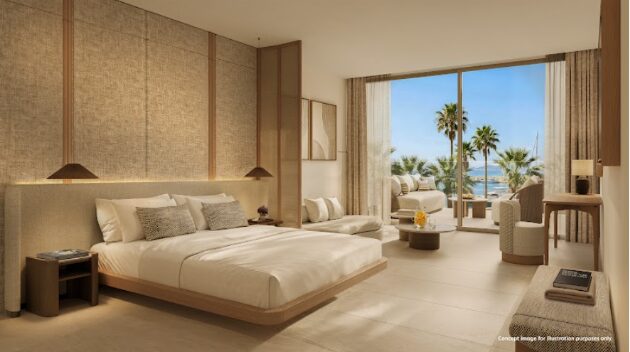
At the centre of this cultural momentum is OVO Wrocław and the DoubleTree by Hilton Wrocław, a striking mixed-use complex designed by Gottesman-Szmelcman Architecture. With its flowing white facade beside Słowacki Park and steps from the Old Town, it has become one of the city’s defining contemporary landmarks since opening in 2016. More than a hotel, it functions as a social and cultural hub, a place where hospitality, dining, wellness and public programming converge, with seven flexible meeting rooms and a divisible ballroom that make it a natural base for corporate visitors as well as weekenders.
Throughout summer, its open-air courtyard transforms into one of Wrocław’s most vibrant gathering spaces, hosting the weekly JazzOVO concert series and community events that draw both locals and travellers. Rather than sitting apart from the city, OVO Wrocław feels woven into its fabric, part hotel, part cultural engine, part meeting point for the city’s creative pulse.
The shift fits a wider pattern. Eastern and Central European cities have been climbing UK city-break rankings as travellers chase value and novelty, and the rise of bleisure travel, with a majority of UK workers now extending business trips into holidays, has handed cities like Wrocław a fresh audience of time-pressed professionals looking to add a few days of culture to a work trip.
Wrocław may not yet be the first name on every traveller’s list, but that is precisely its charm. It is a city with depth, beauty and a summer energy all its own, and for anyone scanning the destinations shortlist for a 2026 short break, it is one to book before everyone else catches on.