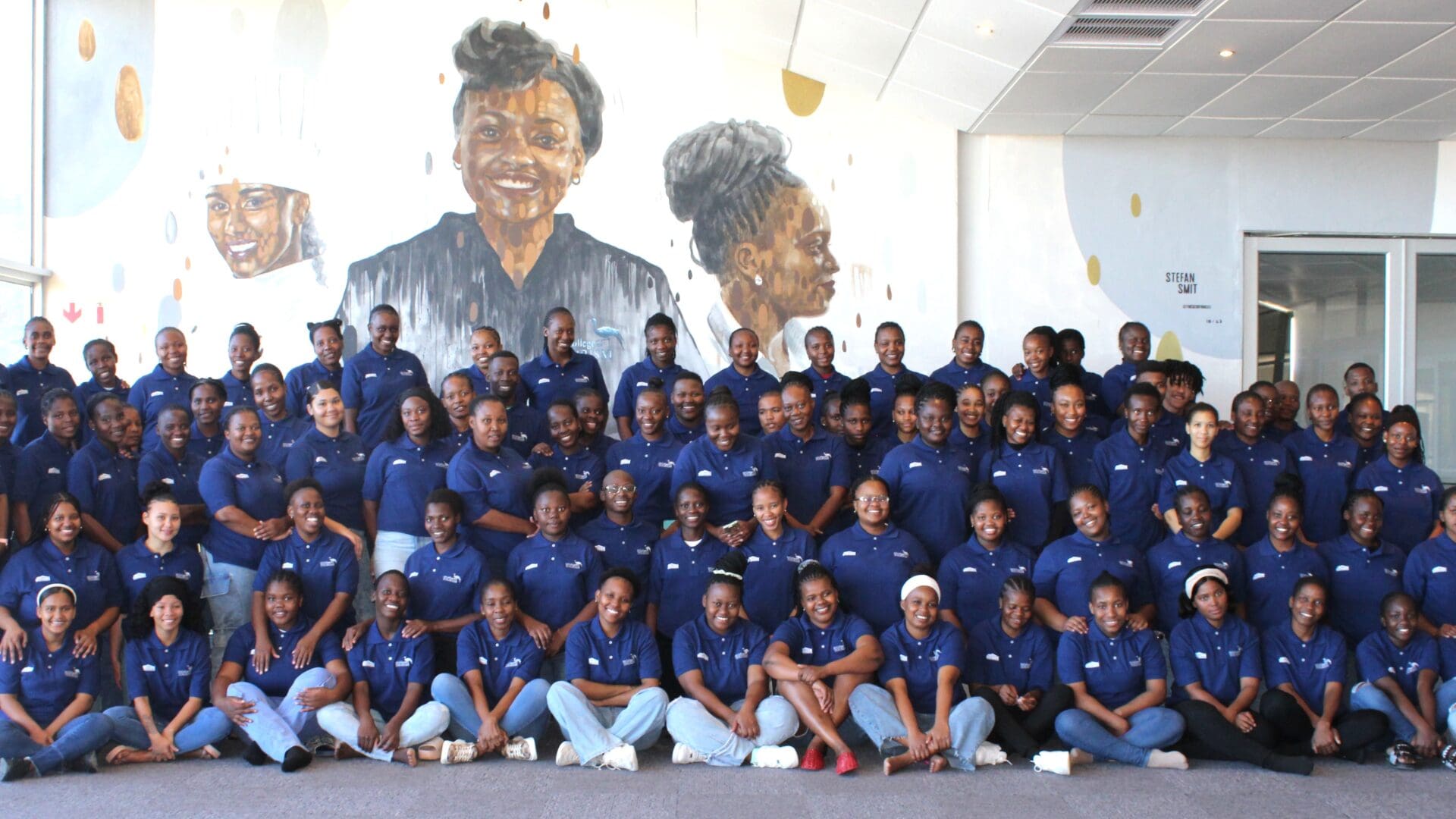
A national monument in the Karoo town of Graaff-Reinet is running its five-star operation as a working classroom. Drostdy Hotel, a Cape Dutch landmark, is owned by the South African College for Tourism (SACT) and serves as the college’s training ground, putting unemployed young women from rural South Africa onto the floor of a luxury property rather than into a simulated one.
For UK travel buyers and corporate bookers with South African itineraries, the arrangement is worth noting. SACT was founded in 2001 by Dr Anton Rupert with a mandate of economic empowerment and professional development for unemployed young women from rural South Africa. Hotel and college now sit under a single leadership structure, which means guests staying at Drostdy are, in effect, part of the training model rather than insulated from it.
Tebello Polisane-Casper runs both as Executive Director, a role built around closing the gap between classroom theory and what luxury hospitality demands in real time.
“Not only is it a huge honour to manage both these institutions, but the alignment of Drostdy Hotel and SACT under a single leadership mandate reinforces the overall vision for a seamless integration of education and industry-leading hospitality,” Polisane-Casper says.
Why the training model matters to guests
What separates SACT from a conventional hospitality course is where the learning happens. Students are not rehearsing service standards in a mock-up dining room. They are rostered onto the floor of a working five-star hotel, handling paying guests, live bookings and genuine complaints, with mistakes that carry consequences.
Access is the second half of the story. Rural, unemployed young women are rarely first in the queue for placements at five-star properties, where roles tend to go to graduates who already have a foothold in the industry. By building the classroom inside the hotel, SACT removes that barrier. A student’s CV lists Drostdy itself from day one, not a simulated placement.
The approach echoes a wider push in luxury hospitality towards structured, industry-led training, including new academy programmes aimed at the luxury travel supply chain.
Modelling mentorship on the floor
Polisane-Casper has spent 16 years in hospitality, starting as a student waiter. The imbalance she is working against is well documented: UN Tourism’s Global Report on Women in Tourism has repeatedly found that women make up the majority of the sector’s workforce while remaining scarce in its senior ranks.

“Women in leadership positions serve as vital role models and mentors,” she says. “By demonstrating competence, resilience and initiative, we inspire the next generation to realise their potential. Tourism is a live environment, our young women are dealing with people as it happens, and graduating with hands-on, high-end experience.”
She is direct about what the work asks. “The hospitality industry is not for the faint-hearted, but it can be so rewarding if you stay focused,” she says. “True empowerment is about collaboration, not competition. I envision a future where professional women actively support each other and, as the saying goes, fix each other’s crowns.”
That shows up further down the structure too. Anra Smith joined as an intern reservationist and is now Drostdy’s Wine Shop and Events Manager, 16 years on.
“Being a good leader is about listening, being patient and helping your team do their best,” Smith says. She points to the college’s proximity to the hotel as central to the culture: “We have a responsibility to create a grounded, compassionate space where these students can learn, sometimes fail, and ultimately find their footing in a high-pressure environment.”
A pipeline, not a gesture
Seventy years after the 1956 women’s march, Graaff-Reinet offers a working example of what that legacy looks like in an industry built on service: a heritage site converted into a pipeline for the women it once would have kept out of front of house.
It is a model UK business travellers will recognise from elsewhere in the sector, where female representation in senior industry roles is climbing but still lags participation on the ground.
For more information, visit drostdy.co.za/sact-college.