Eurostar has lodged a formal appeal against the decision to let Virgin Trains on to HS1, the high-speed line linking London St Pancras with the Channel Tunnel, raising fresh questions over when UK business travellers will see genuine competition on rail routes to Europe.
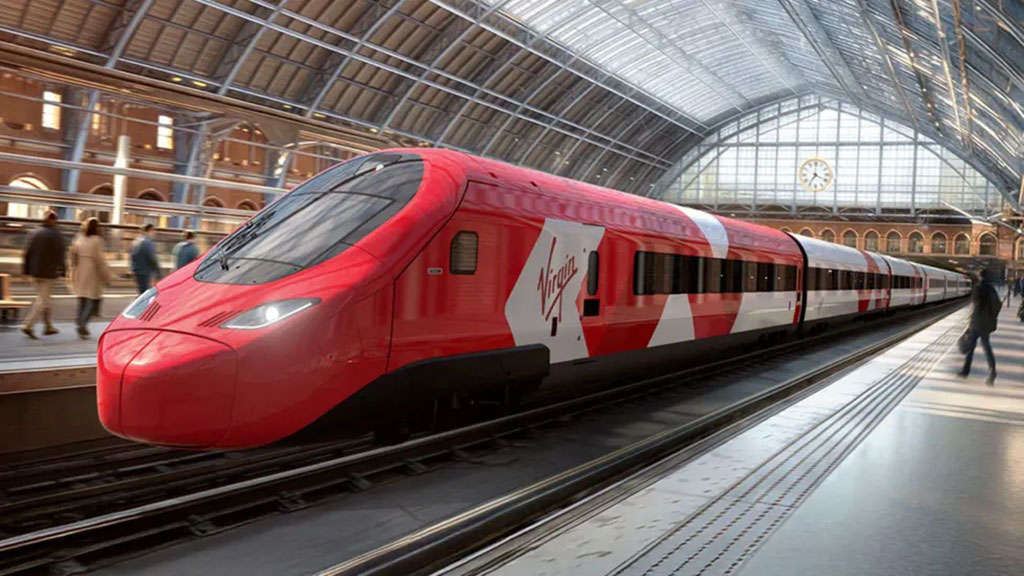
The Office of Rail and Road (ORR) pre-approved a framework track access agreement between Virgin Trains and London St Pancras Highspeed, the company that runs HS1, earlier this month. The deal underpins Virgin’s plan to become the first operator to take on Eurostar between London and Paris, Brussels and Amsterdam, with services planned from 2030 and capacity for up to 20 daily return trains.
What Eurostar’s appeal says
Eurostar, which has carried passengers through the tunnel without a rival since it opened in 1994, wants the regulator to revisit that decision. In its appeal, the operator describes the process behind the approval as “wholly non-transparent as well as unfair and discriminatory”.
“HS1 is in effect unlawfully reserving capacity for VTE (Virgin Trains) as an access applicant and withholding that same capacity from other applicants (including Eurostar) and aspirant operators,” the company said in its submission to the ORR.
The dispute centres on how paths are shared out under the regulator’s HS1 access regime. Eurostar, which wants to expand its own cross-Channel services, argues that Virgin’s bid cannot be treated in isolation. It pointed to the plans of other operators, including Italy’s Trenitalia, and said bids for HS1 track access should be “considered alongside other relevant applications”. Gemini Trains has separately set out proposals for direct London to Cologne services by 2030.

Virgin calls the appeal without merit
Virgin Group said Eurostar’s move was “regrettable, predictable and, in our view, without merit”. The pre-approval was Virgin’s biggest regulatory step yet towards a 2030 launch, following an earlier ORR decision giving it access to the Temple Mills depot in east London, the only depot linked to the route that can handle the larger trains used on the continent.
The regulator is standing by its ruling. The ORR, which set out its reasoning when it announced the agreement, said it was “satisfied” that its decision to approve access for Virgin Trains was “appropriate”.
What the row means for business travellers
Nothing changes for anyone booking London to Paris or Brussels today. Eurostar remains the only operator on the route, and Virgin’s proposed launch is still four years away. The appeal matters because capacity on HS1 and at St Pancras is the pinch point on which every challenger’s plans depend, and the outcome will influence who runs trains through the tunnel, and when.
For frequent travellers, the prize from competition is clear: pressure on fares, a wider choice of departure times and sharper loyalty offers on some of the busiest corporate corridors out of London. Eurostar, for its part, has set out plans to grow its network and invest in new trains, while the station is preparing for expansion through a £100m overhaul of the St Pancras terminal designed to speed up boarding and add capacity.
A drawn-out dispute, however, could slow all of it. The ORR must now consider the appeal, and any rerun of the access process would eat into the time challengers need to order trains, win safety approvals and secure paths on the continent. For now, the sensible assumption for travel bookers is that Eurostar’s monopoly runs to the end of the decade, with 2030 the earliest realistic date for a choice of operator, and this appeal the first real test of whether that date holds.