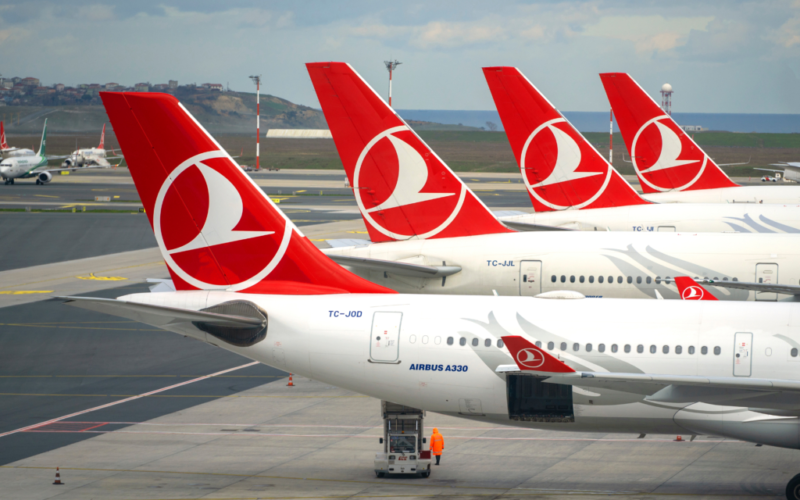
London Heathrow has surrendered its position as Europe’s busiest airport, with new figures showing Istanbul Airport handled 6.9 million passengers in January against Heathrow’s 6.5 million.
The change at the top of the rankings matters for UK business travellers. Heathrow is operating at full capacity, and its leadership warns that the lack of room to grow is restricting the UK’s ability to compete for new routes and airline partnerships, precisely the connections SMEs depend on to reach overseas customers and suppliers.
An airport with nowhere left to grow
Istanbul’s rise has been rapid, and the contrast with Heathrow is stark. The Turkish hub was designed for scale and continues to add capacity and routes, while Heathrow is competing with infrastructure that has barely changed in decades.
Heathrow’s answer is expansion, with the long-debated third runway at the centre of its case. The airport argues that additional capacity is essential if the UK is to keep its status as a global aviation gateway. The project has government backing, and Chancellor Rachel Reeves has championed its potential to boost jobs and GDP, but a lengthy planning process lies ahead. On current timelines, a new runway would not open until the mid-2030s at the earliest.

Record February despite the constraints
Losing top spot does not mean traffic is falling. Heathrow recorded its busiest February on record, welcoming 5.8 million passengers, a 1.9% increase on the same month last year. Airlines have been operating larger and fuller aircraft, allowing the airport to squeeze more travellers through without any extra runway capacity. Across January and February combined, Heathrow handled 12.3 million passengers, up 2.1% year on year, according to figures from the airport.
The airport expects March numbers to be affected by the conflict in the Middle East, which has already prompted warnings over passenger volumes and profits. Chief executive Thomas Woldbye said Heathrow is monitoring the situation closely and working with airlines to minimise disruption during what he described as a “challenging operational environment”.
What it means for business travellers
For SMEs, the immediate impact is less about rankings and more about choice. A full Heathrow means fewer opportunities for airlines to launch new direct routes from the UK, so businesses trading with emerging markets may increasingly find themselves connecting through rival hubs such as Istanbul, Amsterdam or Frankfurt, adding time and cost to trips.
The pattern across Europe is clear: the fastest-growing hubs are those with space to expand. Unless Heathrow’s expansion moves forward, the UK risks watching more global traffic, and the economic opportunity that comes with it, shift elsewhere. In the meantime, travellers navigating the country’s busiest airport can find practical advice in our guide to mastering Heathrow.