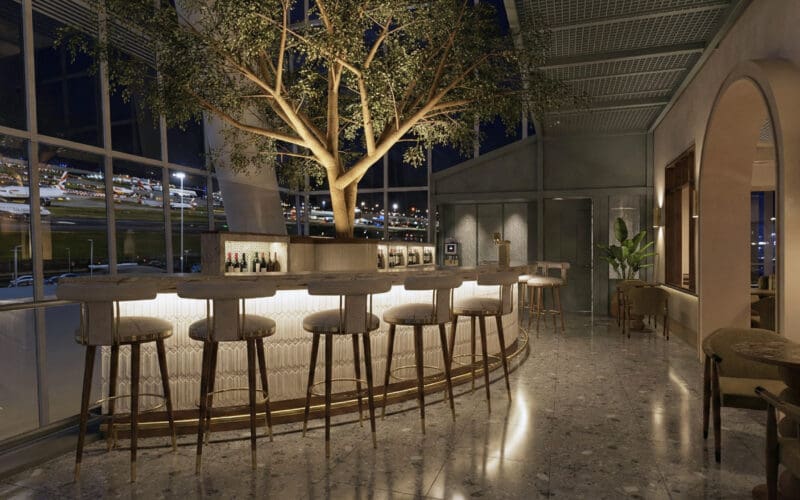
Palace Natali has drawn three daily practices from the ljetnikovac tradition of the Dubrovnik Republic. Each one is the property’s own interpretation of what that tradition means now, adapted for the world its guests inhabit.
Palace Natali, a 21-bedroom luxury adults-only residence, sits quietly in the hills above Dubrovnik. A place where the ljetnikovac (LYEHT-nee-ko-vats) tradition of the Dubrovnik Republic was built on a single conviction: that a life well lived required time set aside for writing, conversation, and reflection, held apart from the pace of the city below. Today, these three arts that shape each day at the property are rooted in that same conviction, interpreted for the present-day traveller who appreciates the art of slow travel and who seeks a meaningful connection.
Dubrovnik in summer is among the most visited places in Europe relative to its size, the walls of the Old Town photographed from every angle, the streets moving at the pace of a cruise itinerary by mid-morning. Palace Natali sits above all of this, three minutes by car from the Pile Gate, with the city spread below the terrace and the gardens, set against an open Adriatic view that has not changed in five centuries. The relationship between that proximity and the calm of the residence above is precisely the condition the ljetnikovac tradition was designed to create, and it is the reason Palace Natali was restored to continue.
Otium is the word the noble families used for what they were protecting: the classical ideal of cultivated leisure, in which time is set aside for reflection, conversation, and the slow pleasures of a garden. Palace Natali draws on that ideal directly. The three practices that follow are its own interpretation of what otium looks like in the world its guests inhabit.
THE THREE ARTS OF PALACE NATALI: WRITING, CONVERSATION, REFLECTION
The art of writing
Each afternoon, the Studiolo opens as a writing room. On the desk: quills, dip pens, and the penkala, named after Slavoljub Eduard Penkala, who patented the mechanical pencil in Zagreb in 1906 and the solid-ink fountain pen the following year. In Croatian, a pen is still called a penkala. Historical papers are laid out: aged carta, textured laid paper. Guests are invited to write a letter to themselves or to someone they care about, and Palace Natali posts it from the property.
Writing, at Palace Natali, is a practice. It is the oldest form of making a moment last.

The art of conversation
Each morning at 11:55, the host leads guests through the entry hallway of Palace Natali in a walk that is part of the house’s daily life. The hallway is a living timeline of the Dubrovnik Republic: five centuries of governance, independence, and the ljetnikovac culture that shaped this hillside. The host leads, and the conversation follows the guest, moving wherever the morning takes it.
Each evening during the turndown service, a short bedtime story is given to guests. The conversation begun in the hallway continues silently at the bedside, providing a consistent connection throughout the day and into the night.
The art of reflection
Each afternoon from 18:00 to 19:00, the garden is set for Quiet Hour. Herbal iced tea is prepared fresh using local herbs. Blankets under the olive trees; guests are welcome to remove their shoes and walk on the grass. The Natali reflection cards on the table: each carries a question on one side and a context on the other, a line from Republic history, a definition of otium. The host is present throughout; guests arrive when they are ready, and the hour holds regardless of how many come.
The cards prompt thought, a more silent and rarer thing than discussion. Each question sits with the guest across the afternoon, carried into the aperitivo hour that follows, and sometimes into the following day.
The daily rhythm of Palace Natali has operated on these terms since the sixteenth century. The guests change. The pace does not. For guests who have stopped collecting destinations and started inhabiting them, this is Dubrovnik.
A limited number of rooms remain available for the 2026 season. Reservations for 2027 are now open.