Every summer, UNESCO’s World Heritage Committee meets to decide which cultural and natural wonders deserve a place on the organisation’s prestigious World Heritage List – a global register of sites considered to have “outstanding universal value.”
This year, the committee’s 21 members gathered in South Korea to review proposals and ultimately inscribed 26 new sites for 2026, adding fresh destinations of extraordinary beauty, cultural significance and scientific importance to the world’s most respected travel list .
To be inscribed, a site must meet at least one of UNESCO’s ten criteria — ranging from “exceptional natural beauty” to being a “masterpiece of human creative genius” . The process is meticulous: countries submit nominations years in advance, experts conduct field evaluations, and the committee debates each proposal before voting. Inscription is far more than a badge of honour — it brings international recognition, conservation support, and often a surge in sustainable tourism.
A Global Mix of Castles, Ecosystems and Ancient Civilisations
The 2026 list spans continents and cultures, from France’s fairytale fortresses of Carcassonne to Tunisia’s sun‑washed village of Sidi Bou Said, an “exceptional” example of traditional Tunisian architecture perched above the Mediterranean . The United States gained a new entry with the Okefenokee Wildlife Refuge — a vast subtropical peatland straddling Florida and Georgia, home to more than 856 plant species and dozens of rare animals .
Finland also earned recognition for the architectural works of Alvar Aalto, whose minimalist, nature‑integrated designs shaped Nordic modernism and now join the list as a collective cultural treasure .

The Most Unusual New Site of 2026
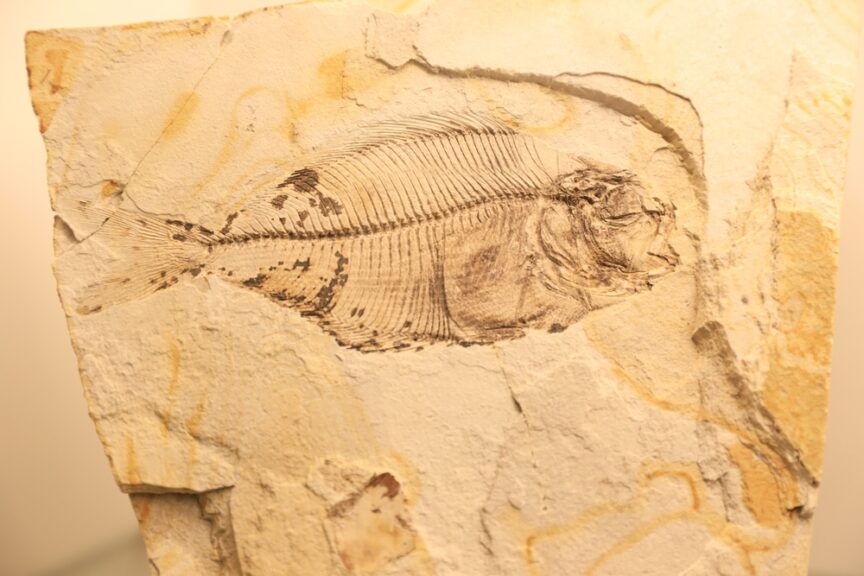
Among the 26 additions, one stands out as particularly unusual: Denmark’s bony fish fossils of the Western Limfjord. While castles and ancient cities often dominate headlines, this site is a scientific marvel — a fossil landscape preserving rare skeletal remains of prehistoric fish. It’s a reminder that UNESCO’s mission extends beyond human history to the deep, geological story of life on Earth. The inclusion of such a specialised paleontological site highlights the committee’s commitment to protecting not only cultural heritage but also irreplaceable scientific evidence of our planet’s evolution.
How the Committee Decides
The World Heritage Committee’s decision‑making process is rigorous. Each nomination undergoes expert evaluation by advisory bodies such as ICOMOS (for cultural sites) and IUCN (for natural sites). Reports assess authenticity, integrity, conservation plans and long‑term management. During the annual meeting — this year in South Korea — members debate each proposal, often line by line, before voting on inscription. Only sites that demonstrate global significance and meet strict criteria are approved.
What Inscription Means
For destinations, inscription is transformative. It brings global visibility, funding opportunities, and a mandate for long‑term protection. For travellers, it offers a curated list of the world’s most meaningful places, landscapes, cities and ecosystems that tell the story of humanity and the planet.
With 26 new additions for 2026, UNESCO continues to expand that story: from ancient Buddhist sites in India to modernist architecture in Uzbekistan, from Jordan’s marine reserves to Greece’s Mount Olympus. Each site is a reminder of the world’s extraordinary diversity and of the responsibility to preserve it.