A quiet but unmistakable shift is reshaping the upper end of the travel market, and it is being driven almost entirely by wealthy women.
Industry data shows solo trips taken by women have climbed 11 per cent, with affluent travellers accounting for a disproportionately large share of that growth, propelling demand for wellness retreats, private yachts and bespoke concierge-led itineraries.
The trend dovetails neatly with the rapid rollout of new luxury hotels across the Middle East and the continued expansion of high-end wellness destinations worldwide. According to the 2026 Virtuoso Luxe Report, women now make up 71 per cent of all solo travellers, with health and wellness ranking as the second-most requested experience among that cohort.
Daria Guristrimba, the Ukrainian-born founder and chief executive of London-based ultra-luxury travel house Globe7, is among those watching the shift play out at the very top of the market. Her business, which has signed exclusive partnerships with a dozen of the world’s largest luxury hotel groups, operates across all seven continents with 24/7 concierge support and already manages tens of millions in annual bookings. Globe7 uses a proprietary AI tool coded for each client, has established partnerships with neobanks and crypto platforms, and serves a clientele that ranges from historic family offices to crypto millionaires.
“One of the most meaningful shifts in luxury travel today is being led by women,” Guristrimba said. “Many carry multiple roles and responsibilities, often without pause. For them, solo travel has become a form of self-care, a quiet reset that allows space to breathe, reflect and reconnect with what feels essential.”
Her own career began at Danone in Ukraine, where she handled the Actimel and Danissimo brands as a marketing specialist. She went on to become marketing manager for Ukraine and the CIS countries at Biosphere, where she delivered sales growth of more than 40 per cent. By the age of 25 she had been promoted to marketing director, before pivoting through journalism and event organisation into the travel sector that ultimately became her vocation.
Wellness, isolation and the rise of the modern monastery
Guristrimba points to wellness and isolation retreats as the spine of the female-led movement. “Places like SHA Wellness Clinic, Six Senses Vana and La Prairie offer a blend of structure and serenity,” she said. “In Italy, Ermito has emerged as a new kind of refuge, a modern monastery in the forest that invites solitude and silence. In the Maldives, sanctuaries such as Joali Being bring together the ocean’s soothing sounds, renewal and the sense of stillness many solo travellers crave.”
It is a pattern Travelling For Business has tracked closely, with destinations such as the Algarve emerging as a hub for wellness retreats and restorative stays that appeal to women looking to combine recovery with privacy.
Alongside land-based sanctuaries, Guristrimba notes that experiences such as The Ritz-Carlton Yacht Collection and the forthcoming Orient Express Sailing Yacht are pulling in solo guests who prefer the rhythm of discovery and comfort among like-minded travellers.
“For many, this independence reflects the realities of modern life,” she added. “Some are single by choice, others are between relationships, or focused on demanding careers. What they share is an appreciation for balance and for the kind of travel that nourishes inner and outer transformation. As we saw recently at Synergy – The Retreat Show, the rise of the female solo traveller reflects a quiet but powerful evolution in how women experience freedom, wellness and self-discovery.”
A market measured in billions
The numbers behind the trend are significant. The global solo travel market is now valued at around $549 billion and growing at 14.6 per cent annually, according to Grand View Research, with female travellers accounting for more than half of total industry revenue. Wealthier women aged 35 to 75 are expected to spend an average of $18,000 (£14,300) per trip in 2026, an unprecedented figure that is reframing how luxury suppliers design product, pricing and service.
That spending power is also reshaping the destinations agenda. Brianna Glenn, owner and travel designer at Milk + Honey Travels, said her client base, predominantly women, is gravitating to a tightly curated list of countries that combine ease, safety and immersive experience.
“The women I work with live big lives,” she said. “They’re decision-makers, caregivers, business owners and leaders. When they carve out time to travel solo, it’s not just about taking a break. It’s about returning to themselves. They want space. They want stillness. But they also want to be surrounded by beauty, comfort and care.”
Her top picks include Portugal, Japan, South Africa and Costa Rica. “In Portugal, you get walkable cities, elegant boutique hotels and incredible food and wine. Japan is ideal for travellers who appreciate quiet, order and design. Everything works, and the service is impeccable. South Africa is one of my personal favourites — private safari lodges, curated wine estates, five-star properties with a deep sense of place. Costa Rica is a great option for women who want to reset. It’s wellness-forward, full of natural beauty and home to some of the best eco-luxury resorts in the world.”
A range of destinations are actively courting the female solo market, while a recent study ranking the best cities for women travelling alone placed Munich in top spot, followed by Lisbon and Barcelona.
Why hotels must up their game
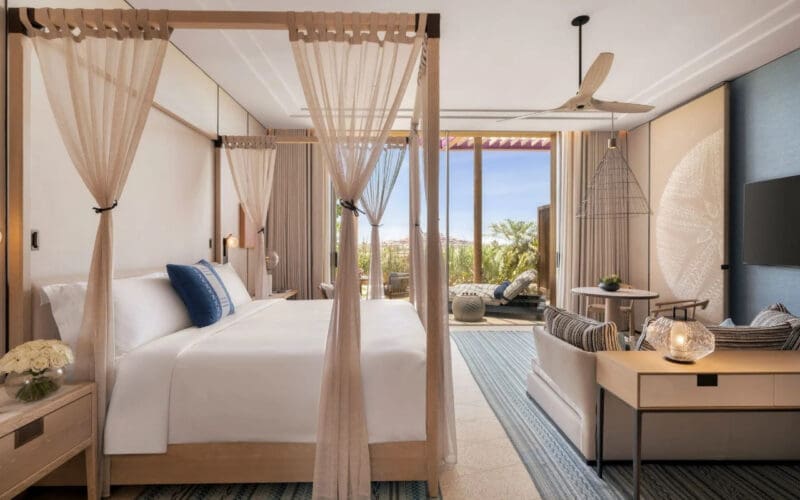
For Glenn, the property is doing more heavy lifting than ever. “The hotel matters even more when you’re travelling solo,” she said. “You want to feel comfortable and welcomed, not like an afterthought. My clients want properties that are warm, beautifully designed and deeply service-oriented. Maybe it’s a suite with a terrace and a view, or a resort where the staff knows your name by day two. It’s the kind of place where you can order room service, book a spa treatment, and feel completely at ease doing it all on your own.”
These trips, she said, often mark milestone moments, a significant birthday, a new chapter, or a quiet celebration. “The luxury piece is what allows it to feel effortless and supported, not just solo.”
The implication for hoteliers, airlines and corporate travel buyers is clear. A discerning, high-spending female demographic is no longer an emerging niche but a defining force in premium travel, and the operators best able to deliver privacy, wellness, design and discreet personal service will be the ones capturing the bulk of that spend.